FUNERGY NEWS
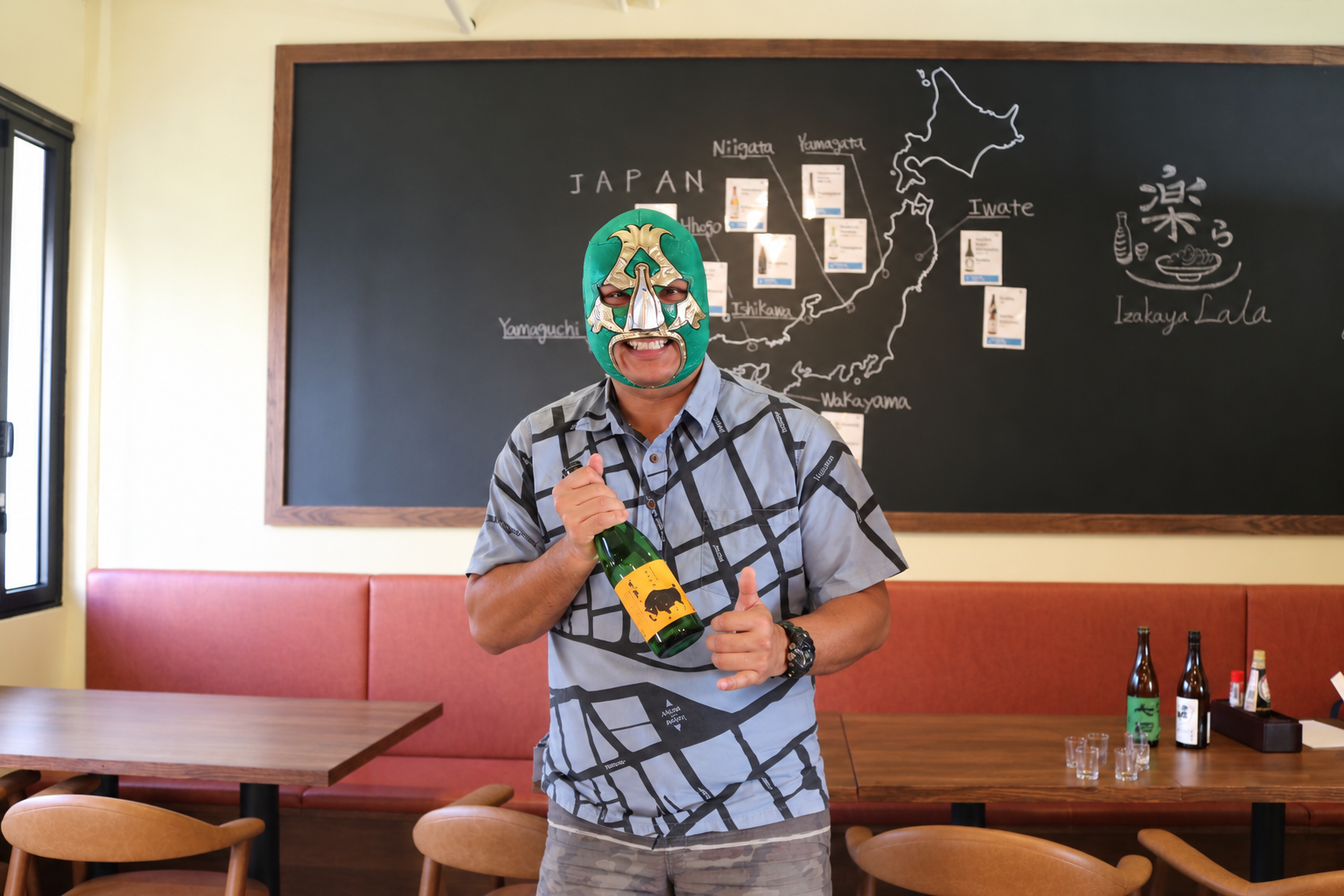
An earthquake and a brewery’s return. A rock shaped like a black cow. A samurai who became a sake brewer. At LaLa’s workshop with Victor, the conversation moved from what was in each glass to the people and places behind it.
LaLa’s menu already groups sake by flavor. The next step we explored was adding a short story: where a name came from, what a brewery had overcome, or why a brewer chose a particular way of making sake. Familiar flavors and a little background can give guests a comfortable starting point before technical terms such as junmai, ginjo, or rice polishing ratios.
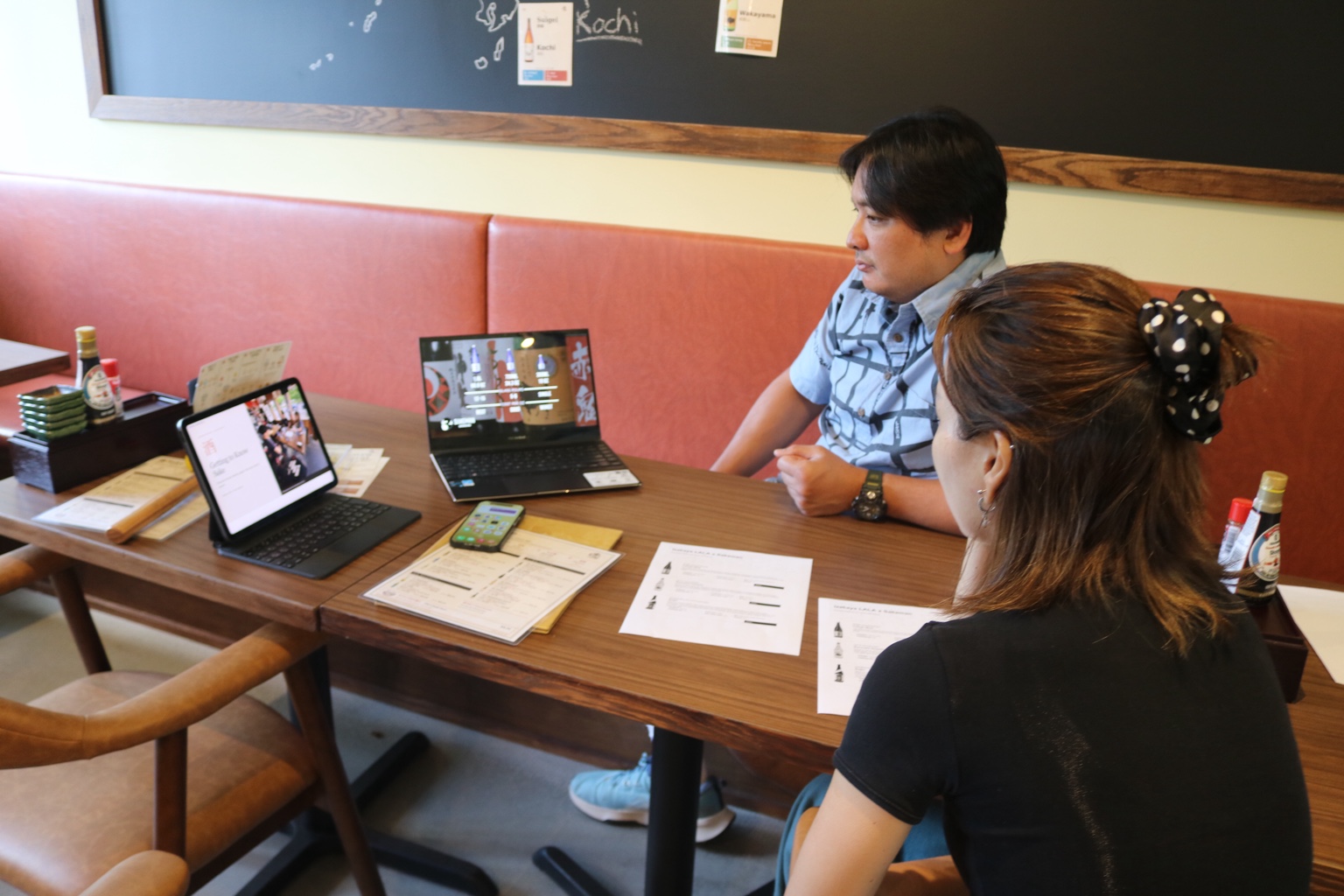
Videos, tasting notes, and conversation introduced us to five sake: Fukuju, Kuroushi, Suijin, Gozenshu, and Shichida. Here are their stories, alongside the flavor descriptions and tasting impressions shared during the workshop.
震災を乗り越えた酒蔵。黒い牛の形をした岩。侍から酒造りへ転じた創業者。LaLaでVictorさんと開いた日本酒のワークショップでは、一杯の味わいから、その向こうにいる人や土地の話へと会話が広がりました。
LaLaのメニューは、すでに味わい別に分類されています。そこに、名前の由来や蔵が歩んだ道、造り手の考え方を短く添えてみる。純米、吟醸、精米歩合といった専門的な説明の前に、イメージしやすい味わいと物語が、お客様の興味を引く入口になります。
映像や資料、紹介や試飲を通して出会ったのは、福寿・黒牛・水神・御前酒・七田。それぞれの物語を、当日の味わいの説明や感想とともに紹介します。
FUNERGY NEWS
Fukuju: from rebuilding to the world.
Kobe Shushinkan, the brewery behind Fukuju, rebuilt after suffering severe damage in the Great Hanshin-Awaji Earthquake. The introductory film traced that recovery and the decision to keep brewing. It gave us another way to think about the journey behind a bottle reaching our table.
We also learned that Fukuju Junmai Ginjo had been served at the Nobel Nightcap, a celebration following the Nobel Prize ceremonies. The story connected a brewery’s recovery in Kobe with a gathering of people from around the world.
During the workshop, Fukuju was also introduced as “eternal happiness.” Alongside a description of the sake, its history of rebuilding and its connection with celebration can open a conversation about choosing a glass for a meaningful occasion.
福寿を醸す神戸酒心館は、阪神・淡路大震災で大きな被害を受けながら、蔵を再建して酒造りを続けてきました。紹介映像に映る復興の歩みから、一杯がここに届くまでの時間にも目が向きます。
その福寿の純米吟醸が、ノーベル賞授賞式後の祝賀行事「ノーベル・ナイトキャップ」で振る舞われたというエピソードも。神戸で守られた酒造りが、世界の人が集う場へつながっていました。
ワークショップでは、福寿を「永遠の幸せ」と紹介する話もありました。味わいに加え、復興の歩みや祝いの場とのつながりを伝えることで、大切な日の一杯を選ぶ会話にも広がりが生まれます。
FUNERGY NEWS
Kuroushi: the landscape behind the name.
In Kuroe, Wakayama, a rock resembling a black cow is said to have once stood by the shore. Kuroushi takes its name from that local history. The name carries a memory of the landscape around Nate Shuzoten, the brewery that makes it.
Victor described a sake with enough umami and presence to enjoy with food. The Omachi rice sake discussed during the session was described as deep and complex, with a slightly spicy character. Those were descriptions of the sake introduced that day, giving us a starting point for understanding its appeal.
Explaining the name brings a place into the conversation. Along with the flavor, guests can picture the shoreline and the brewery’s connection to its hometown—a small story that makes a label easier to remember.
和歌山・黒江の入り江には、黒い牛の形をした岩があったと伝えられています。「黒牛」という銘柄名は、その土地の記憶につながるもの。醸し手である名手酒造店の周りに広がっていた景色が、名前の中に残っています。
Victorさんが紹介したのは、料理と楽しむためのしっかりした旨味と飲みごたえ。会場で取り上げられた雄町米のお酒には、深みや複雑さ、少しスパイシーな印象があると説明されました。
名前の由来を添えるだけで、味わいの話に故郷の風景が重なります。どんな味かに加えて、どんな土地から来たのかを伝えることも、お客様にその一本を覚えていただくきっかけになりそうです。
FUNERGY NEWS
Suijin: a samurai’s new beginning.
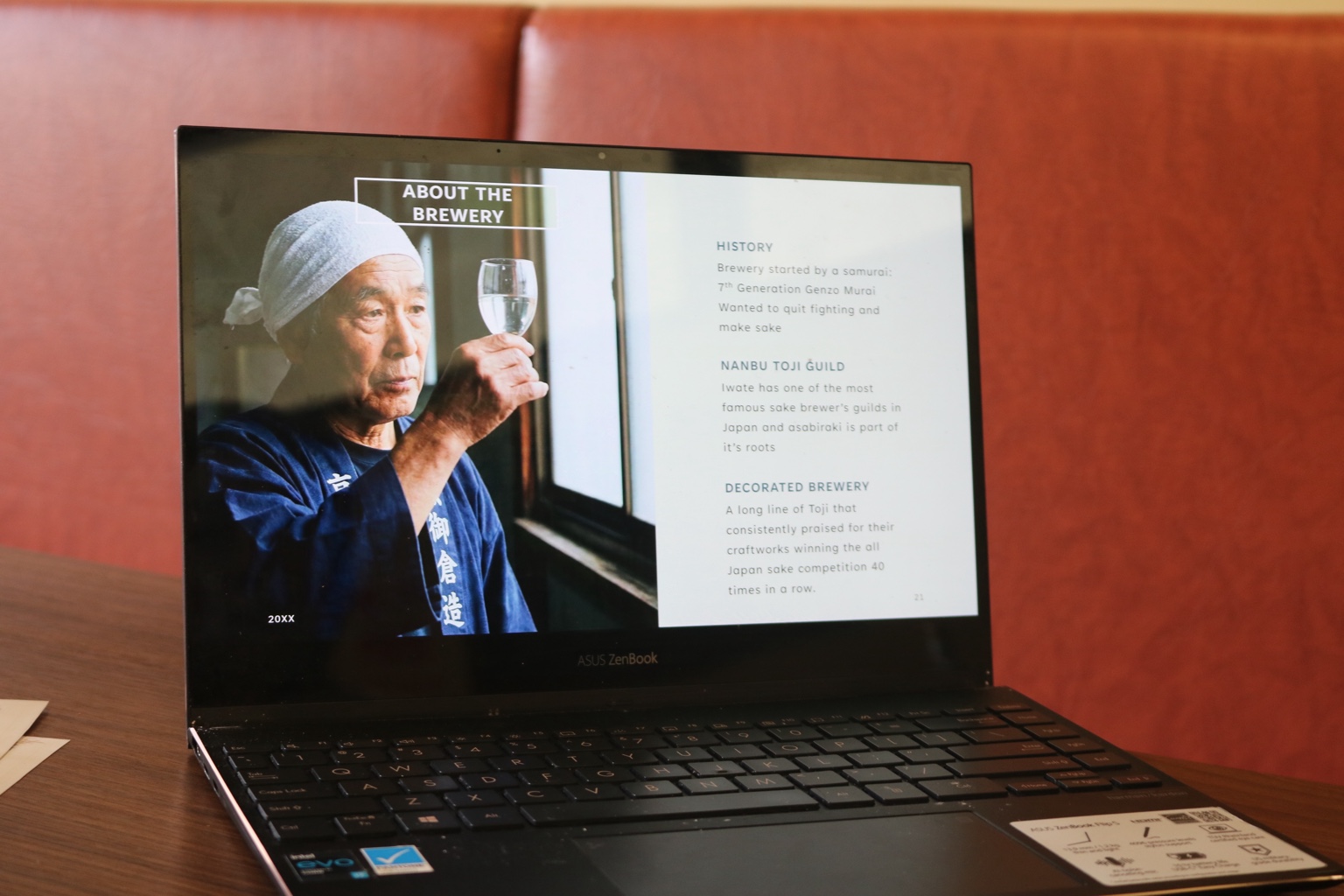
Suijin is made by Asabiraki in Morioka, Iwate. Its brewery began with Genzo Murai, a former samurai of the Nanbu domain who left that life to make sake. Learning about someone setting out on a new path gave the brewery a human story we could share.
Suijin means “god of water.” The workshop introduced it alongside stories about Morioka’s water, then explored a flavor described as very dry but still full of umami.
Fish, oden, and even curry came up as pairing ideas. The suggestion was to compare a sip on its own with a sip alongside food. “Dry” can start the conversation; discovering how the sake feels with a dish gives us more to talk about.
水神を醸すのは、岩手・盛岡の「あさ開」。その始まりには、南部藩士だった村井源三が武士を辞め、酒造りへ転じたという物語があります。新しい時代に、新しい仕事へ踏み出した人の歩みを知ると、銘柄にも親しみが湧いてきます。
「水神」は「水の神」という意味。会場では盛岡の水の話とともに紹介され、大辛口でありながら旨味も感じられる味わいが取り上げられました。
魚やおでん、カレーとの組み合わせも話題に。お酒だけで飲んだ時と、料理と一緒に味わった時の印象を比べてみる。「辛口です」の先にある楽しみ方を、自分たちでも確かめたくなる一本でした。
FUNERGY NEWS
Gozenshu: old methods, new discoveries.
Gozenshu brought us to bodaimoto, an old method of preparing the fermentation starter for sake. The workshop explored the revival of this brewing tradition. At Tsuji Honten, earlier methods were studied and adapted through repeated trials to develop a bodaimoto process suited to the brewery.
The sake tasted during the session used Omachi rice. People noticed balanced acidity, fruit and grain notes, and a deep, complex flavor. One reaction was that it was a taste they had never encountered before.
An old method can create a new discovery for today’s drinker. Knowing a little about the process gave us another way to introduce Gozenshu to a guest curious to try something different.
御前酒で話題になったのは、「菩提酛(ぼだいもと)」という古い酒母造りの方法。昔の知恵を現代の酒造りにつなぐ、製法の復活の物語です。蔵元の辻本店では、従来の製法を研究し、試行錯誤を重ねて蔵に合う菩提酛造りを育ててきました。
今回試飲したのは、雄町米を使ったお酒。酸味のバランス、果実や穀物を思わせる風味、複雑で深い味わいが話題になり、「初めての味」という反応もありました。
昔からある製法が、今の飲み手にとっては新しい発見になる。その背景を知ることで、いつもとは違う味を試したいお客様にも、御前酒の面白さを伝えやすくなります。
FUNERGY NEWS
Shichida: tradition with room to explore.
Tenzan Sake Brewery in Saga makes Shichida with a philosophy called fueki ryuko: preserving what matters while continuing to explore new possibilities. In the workshop, that idea connected care for the foundations of brewing with a willingness to try something different.
The Nanawari Gobu series offered one example. A polishing ratio of 75 percent means that 75 percent of the rice remains after polishing. The conversation focused on retaining the rice’s character and drawing out a generous flavor.
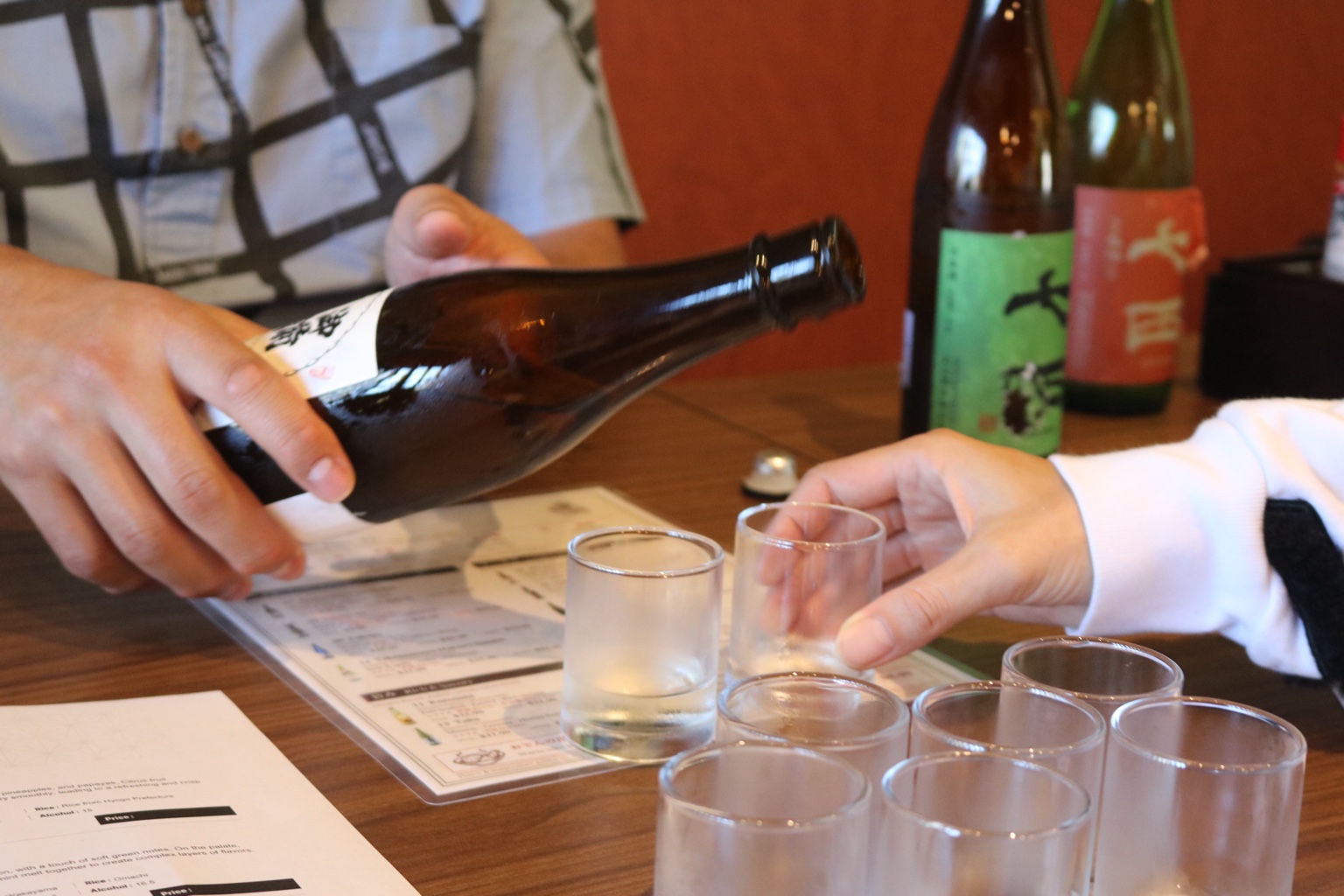
Comparing the regular junmai with a sake made from Shunyo rice brought differences in aroma and flavor into focus. The Shunyo sake was introduced as having an aroma reminiscent of Sauvignon Blanc, and participants also noticed a white-wine-like character.
That led to a practical idea: introduce this sake to someone who normally orders white wine, perhaps in a wine glass. The brewery’s willingness to explore a different rice could become a bridge to a new sake drinker.
佐賀・天山酒造の七田を知る鍵になったのは、「不易流行」という考え方。守るべき基本を大切にしながら、新しい可能性にも挑む。ワークショップでは、その姿勢が酒造りの土台と挑戦をつなぐ言葉として紹介されました。
その手がかりの一つが、「七割五分磨き」のシリーズです。精米歩合75%は、磨いた後に米が75%残るということ。米の個性や存在感を生かし、大きな味わいを引き出す考え方が語られました。
定番の純米と、春陽という米を使ったお酒を飲み比べると、香りや味わいの違いが話題になりました。特に春陽は、ソーヴィニヨン・ブランを思わせる香りとして紹介され、参加者からも「白ワインっぽい」という声が。
普段は白ワインを選ぶお客様に、ワイングラスでこの日本酒を紹介してみる。新しい米に挑む蔵の姿勢が、日本酒を飲む人を広げるきっかけにもなりそうです。
FUNERGY NEWS
Let food and temperature open new possibilities.
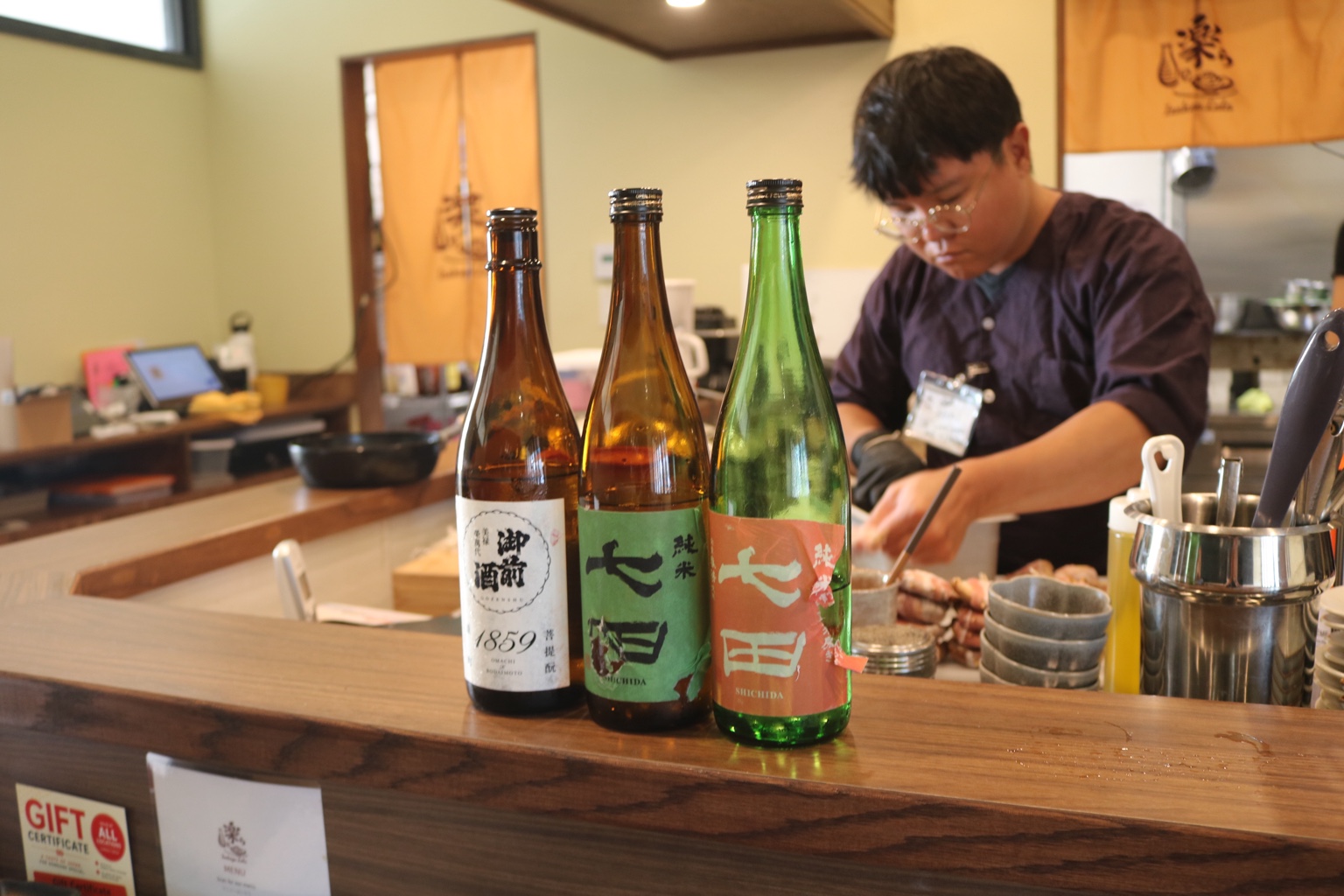
The conversation also explored pairing sake with food. One idea was to try the same sake with different pieces of oden; another was to compare several sake with the same dish. The emphasis was on noticing the changes and discovering personal preferences.
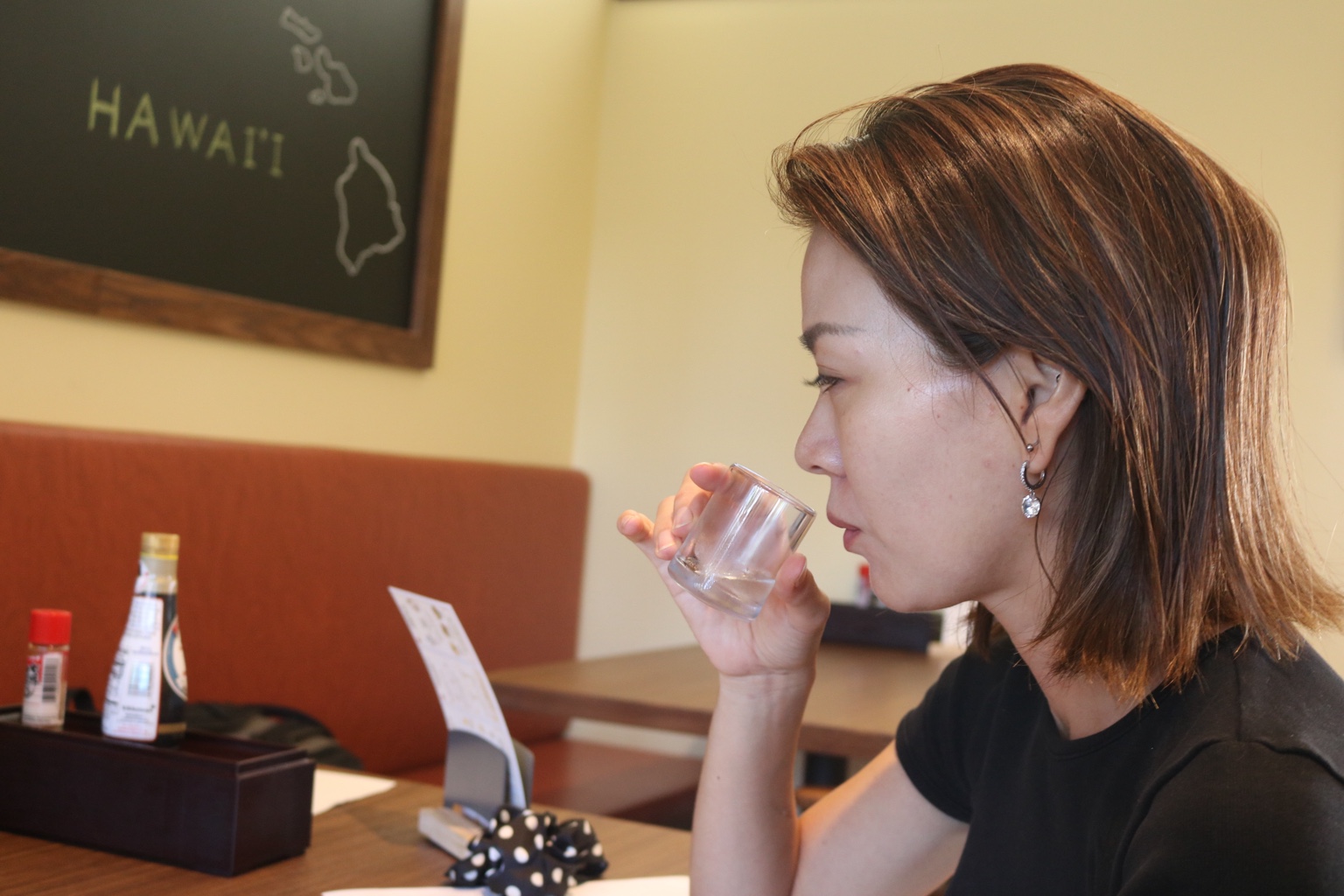
Serving temperature offered another direction to explore, from chilled to room temperature or gently warmed. Suggestions can help a guest get started while leaving room for the way they enjoy drinking.
During the session, we also discussed tasting LaLa’s own food alongside the sake we serve. It is a practical next step toward recommendations grounded in our own experience.
料理との合わせ方についても話が広がりました。同じ日本酒で違うおでんの具を試す。反対に、同じ料理にいくつかのお酒を合わせてみる。組み合わせによる変化を感じながら、自分の好みを見つける楽しさが紹介されました。
冷酒、常温、ぬる燗など、温度も楽しみ方の一つ。おすすめを案内しながら、お客様それぞれの好みも大切にする、という考え方が印象に残りました。
会場では、LaLaの料理と、実際に扱っている日本酒を合わせてテイスティングしようという話も。自分たちで体験することが、より伝わるおすすめにつながっていきます。
FUNERGY NEWS
Carry the stories to our guests.
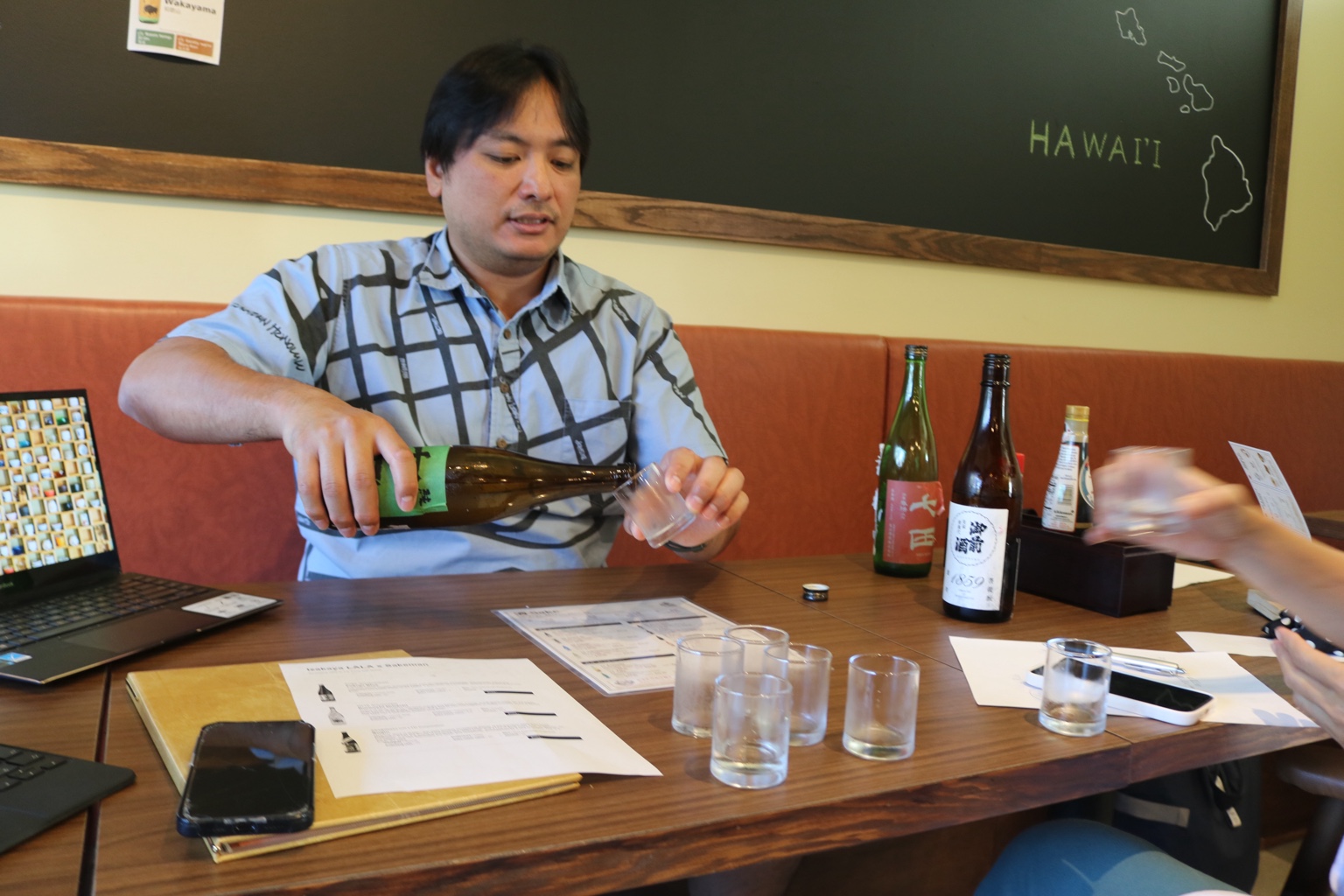
By-the-glass choices, tasting flights, and short, accessible descriptions all came up as ways to make sake easier to explore. A story about a place, a person, or a brewing idea adds another reason to try a new glass.
Knowing a guest’s preferences and sharing one memorable detail can turn choosing a drink into discovering a brewery. The workshop showed us how product knowledge can make everyday service more enjoyable—an approach we can carry into conversations throughout our restaurants.
Thank you, Victor, for sharing these stories and tasting discoveries with LaLa. We look forward to passing them on to our guests, one glass at a time.
グラスでの提供、飲み比べ、短く分かりやすい説明。日本酒を気軽に楽しんでいただくための工夫に、土地や人、造り方の物語を一言添える。それも、新しい一杯に出会っていただくきっかけになります。
お客様の好みを知り、心に残った話を一つ伝え、お気に入りを一緒に見つける。一杯を選ぶ時間を、その蔵を知る時間にもできそうです。商品を知ることが日々の接客の楽しさにつながるという学びは、それぞれのお店でも生かしていきたいと思います。
Victorさん、蔵の物語と試飲の機会をありがとうございました。今回の発見を、一杯ずつ、お客様との会話につなげていきたいと思います。
Sources
- Kobe Shushinkan: Fukuju’s recovery and history
- Kobe Shushinkan: Fukuju Junmai Ginjo at the Nobel Nightcap
- Nate Shuzoten: the origin of the Kuroushi name
- Asabiraki: the brewery’s origins
- Tsuji Honten: Gozenshu’s brewing methods
- Tenzan Sake Brewery: the philosophy of fueki ryuko
- Tenzan Sake Brewery: Shichida Nanawari Gobu Shunyo